How Churches Balance Volunteer Schedules Across Holy Week Services

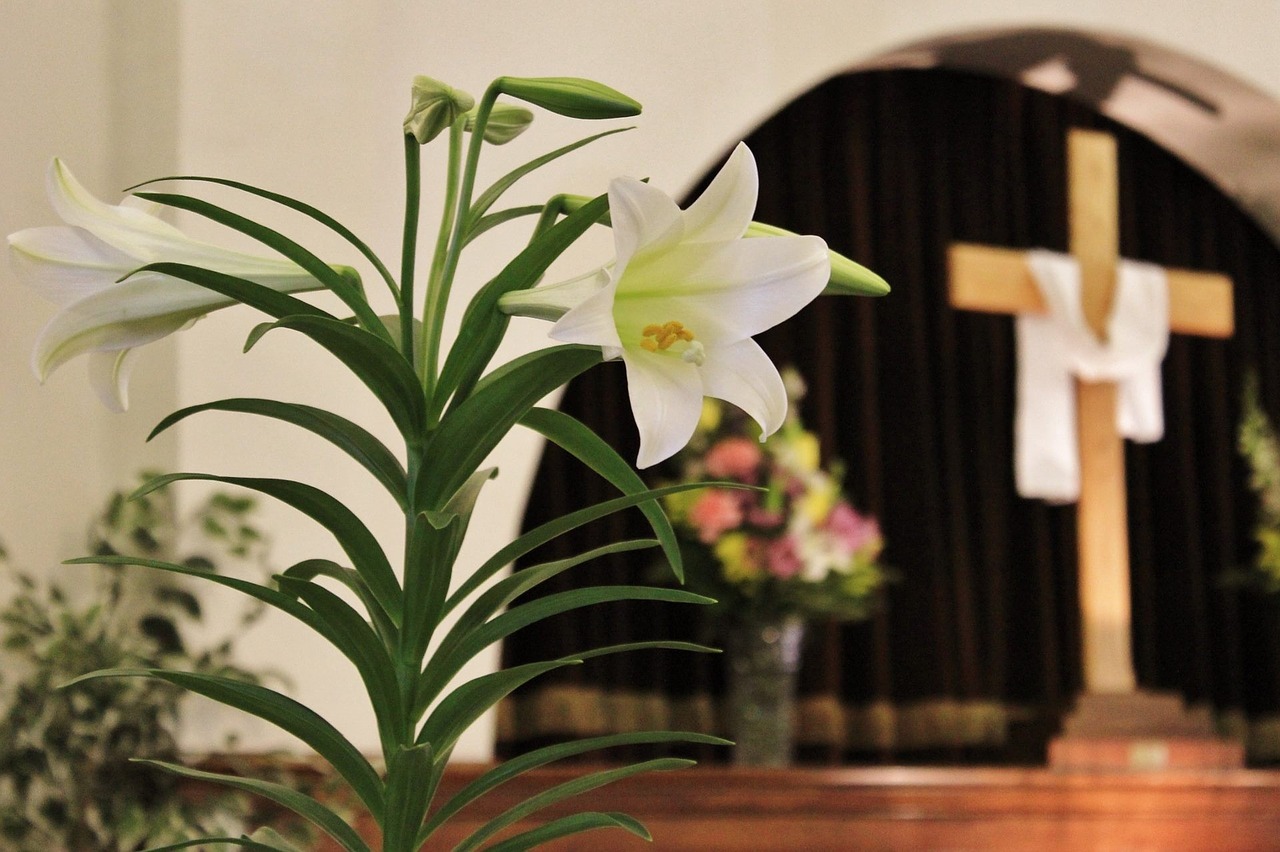
Holy Week is one of the most meaningful—and most demanding—times in the life of a church.
From Palm Sunday through Easter, the number of services increases, attendance spikes, and the need for volunteers accelerates quickly. Lectors, musicians, ushers, sacristans, greeters—everyone plays a role in creating a prayerful, welcoming experience.
But behind the scenes, many ministry leaders are asking the same questions:
- How do we cover every service without overloading the same people?
- How many volunteers do we actually need for Holy Week?
- What's the best way to balance schedules across multiple services?
Let's walk through a practical approach to Holy Week volunteer scheduling that keeps roles organized, fair, and sustainable—for both leaders and volunteers.
1. Start with the Full Picture (Not Just Easter)
One of the most common mistakes in Holy Week ministry scheduling is focusing too heavily on Easter and treating everything else as secondary.
In reality, Holy Week is a connected experience:
- Palm Sunday
- Holy Thursday
- Good Friday
- Easter Vigil
- Easter Sunday
Each service has different needs. Many of your most reliable volunteers are willing to serve more than once—but maybe not every night.
A better approach:
Map out all services first, then begin assigning volunteers across the full week.
This helps you:
- Avoid stacking your qualified volunteers on Easter only
- Ensure coverage at every service
- See where you need additional help
2. Define Roles Clearly for Each Service
Not every service requires the same number—or type—of volunteers.
For example:
- Holy Thursday may need additional ministers for the Washing of Feet
- Good Friday often includes multiple readers for the Passion and Solemn Intercessions
- Easter Vigil may require extra volunteers to coordinate candles, fire, and sacramental vessels
- Easter Sunday typically needs the highest number of greeters and ushers
Instead of merely estimating, take time to outline:
- Required roles per service
- Ideal number of volunteers per role
- Any special responsibilities unique to that service
This clarity answers a key question behind how many volunteers churches need for Holy Week—and prevents both overstaffing and last-minute gaps.
3. Balance Participation So It's Not Always the Same People
During busy seasons, it's easy to fall back on the "usual volunteers"—the people who always say yes.
But over-relying on the same group leads to one thing quickly: burnout.
If you're trying to avoid volunteer burnout during Holy Week, aim for balance:
- Spread assignments across a wider group
- Limit how many services one person is scheduled for
- Invite occasional volunteers to step in for special liturgies
A helpful mindset shift:
Holy Week isn't just about coverage—it's an opportunity to invite more people into ministry.
You may be surprised how many parishioners are open to serving for the first time during a meaningful week like this.
4. Give Volunteers Visibility Into Holy Week
When volunteers only see their own assignment, they miss the bigger picture.
But when they can view the full Holy Week schedule:
- They understand where help is most needed
- They recognize other volunteers in the community
- They're more likely to step in if a gap opens
- They feel part of something larger than a single Mass
This is especially important for Easter volunteer scheduling, where flexibility matters.
Clear communication—whether through a shared schedule, email, or mobile app—makes it possible for volunteers to fill open positions and cover for those who need a substitute.
5. Plan for Changes
Even the most thoughtfully crafted schedules shift during Holy Week.
Travel plans change. Illness happens. Last-minute conflicts come up.
Instead of trying to prevent all changes, build a system that can handle them:
- Make it easy for volunteers to find substitutes
- Keep a small list of backup volunteers
- Communicate updates clearly and quickly
This reduces stress for everyone involved—and ensures no role goes uncovered at the last minute.
6. Use Holy Week to Strengthen Your Ministry Long-Term
Holy Week isn't just a scheduling challenge—it's a ministry opportunity.
When done well, holy day church volunteers experience:
- A deeper connection to the service
- A stronger sense of belonging
- A greater willingness to serve again
After Easter, take time to:
- Thank volunteers personally
- Invite new participants to continue serving
- Reflect on what worked—and what to improve next year
This is how one busy week can lead to lasting growth in participation.
Bringing It All Together
Balancing volunteers across Holy Week services doesn't require perfection—but it does require intention.
When you:
- Plan across the full week
- Define roles clearly
- Distribute participation fairly
- Communicate openly
- Prepare for flexibility
You create a schedule that supports both the liturgy and the people who make it possible.
Want a Step-by-Step Approach?
If you're looking for a deeper framework—including how to build schedules faster, communicate with volunteers, and reduce last-minute stress—read the complete guide to scheduling church volunteers.

Subscribe to the Ministry Scheduler Pro MSP Blog
Get a behind-the-scenes scoop on what we're up to!
Subscribe to the MSP blog

You're subscribed! Thank you for your interest!
MORE POSTS
How to Handle Lent and Holy Week Volunteer Scheduling Without Burning Out
READ ARTICLE